

Discuss the property and your goal
Tell us where the property is, its condition, whether it is tenanted and when you hope to complete. We can discuss whether an auction is a sensible route and which auction audience may be most relevant.

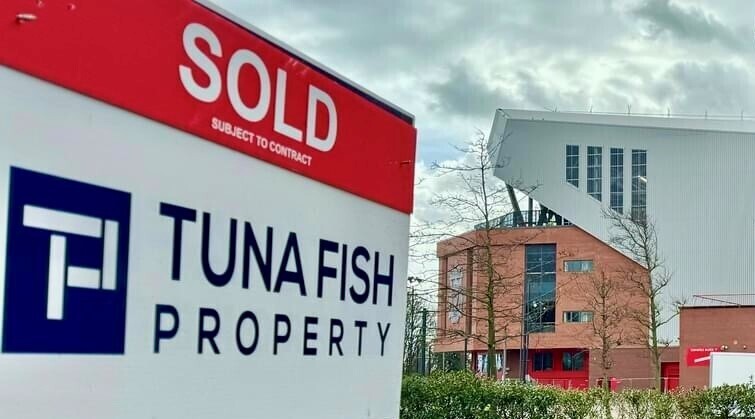
Selling property at an unconditional auction has many advantages:
1. It's fast - from marketing to sale completion, receiving the proceeds in your bank account could take less than 6 weeks.
2. It's competitive, so you can be assured of getting the best possible price on a given day.
3. It's the most transparent way in which to sell property, avoiding any potential issues with not achieving the best price.
4. The buyer cannot pull out without financial penalties - caveat emptor applies
Tuna Fish Property offers a nationwide property auction buying and selling service. In both cases we ensure that you buy at the best price, and also sell at the best price. The two are not mutually exclusive.
Please fill in the form below and we will arrange a call to discuss your requirements.
A practical guide for sellers
An auction sale starts well before bidding opens. The right auction house, clear property information, an agreed reserve and a prepared legal pack all help buyers assess the lot and bid with confidence. The exact process depends on whether the auction is unconditional or conditional.
Tell us where the property is, its condition, whether it is tenanted and when you hope to complete. We can discuss whether an auction is a sensible route and which auction audience may be most relevant.
Check the proposed auction house, marketing period, fees and terms of appointment. Agree how the guide price will be presented and the minimum reserve at which the property can sell.
Instruct a solicitor or conveyancer early to prepare the legal pack. Gather title, leasehold and tenancy information where relevant, check the EPC position and make sure the property details accurately describe what is being sold.
Buyers review the particulars and legal pack, arrange viewings and bid. In an unconditional auction, a successful bid at or above the reserve normally creates a binding contract at the auction. Completion follows the date set out in the sale conditions.
Before marketing
The guide price helps buyers decide whether to investigate a lot. It is a marketing indication, not a promise of the final sale price. The reserve price is the minimum price the seller will accept at auction; bidding must reach it for the lot to sell.
Ask how the auctioneer defines and updates the guide, and agree the reserve in writing. A realistic guide and full disclosure help interested buyers make informed decisions.
Before bidding
Your solicitor prepares the legal pack for prospective buyers. It will usually include title documents, sale conditions and other relevant property information. Leasehold, tenanted and unusual properties may need additional documents.
Before you instruct anyone, ask for a written breakdown of auction commission, entry or administration fees, legal pack and conveyancing costs, VAT where applicable, and any charge expected from the buyer. Also check what you owe if the property is withdrawn or does not sell.
Know the difference
The page above describes this traditional route. When a bid meets the reserve and is accepted, contracts are normally exchanged immediately. The buyer pays a deposit and completion follows the timetable in the legal pack, often around 28 days.
Often called the modern method of auction, this usually gives the successful bidder an exclusivity period to exchange contracts later. A reservation agreement and fee may apply. Ask exactly when the parties become legally bound, who receives the fee and what happens if the sale falls through.
Questions sellers ask
The property does not sell under the hammer below the agreed reserve. The auctioneer may discuss offers after the auction, subject to your instructions and the terms you agreed when appointing them.
Allow time for valuation, legal pack preparation and marketing before the auction date. For a traditional unconditional sale, completion is often around 28 days after the auction, but the actual date is the one in the contract. A conditional sale usually has a different exchange and completion timetable.
These properties may attract auction buyers, depending on the lot and market. Tell the auctioneer and solicitor about the tenancy, condition and any known issues at the outset so the listing and legal pack present the relevant information accurately.
No sale method guarantees a particular price. Competitive bidding can help establish what buyers are prepared to pay on the day, but the outcome depends on the property, market, guide and reserve, marketing reach and level of bidder interest.
Talk through your options
Share the property details and your preferred timescale. We will arrange a call to discuss the next steps.
Further reading: RICS property auctions guide and The Property Ombudsman’s guide for sellers.
Buying property at auction book 4th Edition for 2026 written by Tuna Fish Property Director, Dominic Farrell
If you want to understand our track record, it's all in the book going back to the financial crisis of 2008. There are many lessons and strategies which are applicable in 2026. Many of the properties we are sourcing for clients are of exceptional value. Please call us to discuss.
Whether you're completely new to property auctions and buy-to-let or a seasoned investor, Property Auctions: Repossessions, Bankruptcies and Bargain Properties contains the expert information, insight and guidance you need to improve your skill and profits in any market climate. Whatever your interest in property investment; whether you want a quick return or maybe to fund your retirement long-term, Property Auctions will give you the skills to achieve your financial goals, and not just in rising markets but all market conditions; rising, falling or stagnating.
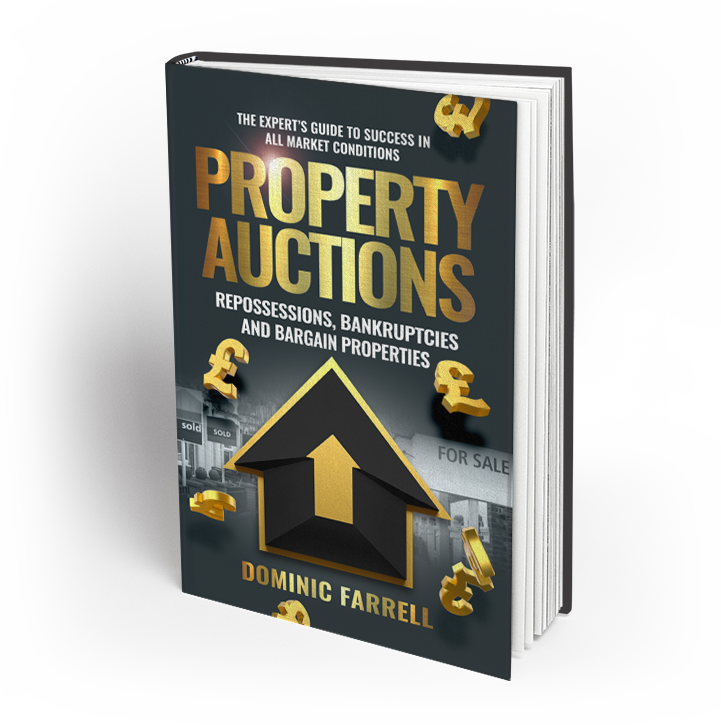
This book demystifies the acquisition of 'distressed' properties at auction and shows you how to make money whatever the economic weather. It brings together all of the key concepts that successful property auction investors focus on which, when combined, will give you a solid platform on which to base investment decisions.
The first part of the book details the tools and techniques to help you identify, analyse and filter properties, shortlisting your targets. The second part takes you through the actual viewing and buying process and the tactics involved to be successful.
Property Auctions also gives clear, concise and detailed guidance on raising finance and the auction legal process - two essential components of the journey which are key to success. All the principles are fully evidenced with real-world case-studies to show how the theory works in practice.
There is no better place to purchase below market value properties, whether to hold for the long-term or develop, add-value and sell.